Car accidents can happen unexpectedly, leaving drivers and passengers in a whirlwind of physical, emotional, and logistical challenges. Beyond immediate injuries, accidents often bring long-term financial and legal consequences, including costly repairs, insurance disputes, and liability concerns. For many, the aftermath of a collision feels overwhelming as multiple priorities—medical care, vehicle recovery, and potential legal action—compete for attention. Without a clear approach, it’s easy to feel trapped in uncertainty.
The reality is that managing post-accident situations effectively requires a combination of proactive planning, informed decision-making, and timely action. Legal protection and vehicle repair are not separate concerns—they are deeply connected. Ensuring your rights are safeguarded while simultaneously addressing the condition of your car reduces stress, prevents delays, and helps avoid costly mistakes. Understanding what steps to take, when to seek professional guidance, and how to document incidents thoroughly can make a substantial difference in outcomes.
Preparation also involves considering secondary challenges. Vehicle downtime can disrupt daily routines, insurance claims may take weeks to resolve, and overlooked damage can escalate into serious safety risks. Familiarity with the repair process, legal consultation, and maintenance schedules allows drivers to act efficiently and confidently.
This guide is designed to help drivers navigate the entire post-accident landscape. You’ll learn how to determine when legal support is necessary, assess and prioritize vehicle repairs, choose trusted service providers, and implement ongoing safety practices. Whether dealing with minor fender-benders or significant collisions, these strategies empower individuals to regain control, protect their finances, and ensure long-term safety for themselves and their passengers.
1. Knowing When to Seek Legal Help

Accidents can be physically taxing, but understanding when to involve a car accident lawyer or local injury lawyer is essential for safeguarding your rights. Not every incident requires legal representation, yet recognizing the indicators that warrant professional help can prevent overlooked claims or financial loss. If injuries require ongoing medical treatment beyond basic first aid, or if multiple parties are involved, consulting an attorney ensures you are fully protected. Similarly, when liability is unclear, insurance companies are delaying or denying claims, or negligence may be a factor, early legal guidance can make a critical difference.
Choosing the right legal professional is equally important. Experience with similar cases, such as vehicle collisions or personal injury claims, should be a top priority. Verifying a lawyer’s local reputation through reviews, testimonials, or referrals from trusted sources can help identify reliable options. Confirming credentials, licensing, and relevant specializations ensures you work with someone knowledgeable and qualified to handle your specific situation.
Preparation before the first meeting strengthens your case. Gather police reports, medical records, and witness statements to provide a clear overview of the incident. Taking detailed photographs of the accident scene and vehicle damage further supports your claim. Collect all communications with insurance companies to maintain a comprehensive record of interactions.
Understanding potential outcomes helps set realistic expectations. A lawyer can explain timelines, compensation possibilities, and whether negotiation, settlement, or litigation is the best path. Be cautious of firms that promise guaranteed results or require high upfront fees. Transparent communication, clear documentation, and professional guidance reduce uncertainty, protect your interests, and establish a strong foundation for recovery.
2. Assessing Vehicle Damage Immediately
After a collision, evaluating vehicle damage is critical for safety and insurance purposes. Prompt and thorough assessment allows drivers to identify issues before they worsen and ensures repairs are properly documented. Begin by performing a careful inspection of visible damage, such as dents, scratches, broken lights, or misaligned panels. Listen for unusual noises from the engine, suspension, or undercarriage that could indicate hidden problems. Look for fluid leaks or structural concerns that could compromise safety if left unaddressed.
Documenting all damage is essential. Take clear, detailed photographs from multiple angles to capture both major and minor damage. Write a comprehensive list of observed issues to prevent missed repairs. Keep records of any communications with your insurance company, as this information can be invaluable in supporting claims.
Coordinating inspections with a trusted car repair or collision repair provider ensures you receive a professional assessment of both visible and hidden damage. Obtaining a detailed estimate that identifies all necessary repairs allows you to present accurate information to your insurance adjuster and begin planning repairs effectively. Early inspections can also prevent additional damage by catching issues that may worsen over time.
Prioritizing repairs is key to maintaining safety and vehicle performance. Focus first on systems that directly affect safety, such as the suspension, steering, or structural integrity. Cosmetic repairs, while important, should follow but remain well-documented for insurance purposes. Align repair schedules with insurance inspections to avoid delays or duplicative work, and ensure all steps are recorded for clarity and accountability.
Prompt assessment reduces stress, ensures proper documentation, and allows repairs to begin without unnecessary delays, giving you peace of mind during a stressful recovery period.
3. Maintaining Braking and Safety Systems
Brake and exhaust systems are critical to vehicle safety, and collisions often compromise their function. Recognizing warning signs early is crucial. Brake issues can present as squealing, grinding noises, reduced responsiveness, or a soft pedal, while exhaust problems might manifest as rattling, loud noises, unusual fumes, or decreased fuel efficiency. Addressing these concerns promptly can prevent secondary accidents and costly repairs.
Preventive maintenance is essential. Schedule regular inspections of brake pads, rotors, and fluid levels, and routinely inspect the exhaust system for leaks, corrosion, or alignment issues. Addressing minor issues early prevents escalation and ensures reliable vehicle performance. Combining brake service with exhaust repairs, when needed, is an efficient way to minimize downtime and restore full functionality quickly.
Proper documentation of repairs is vital for warranties or insurance claims. Ensure that all replacement parts meet manufacturer specifications, and request detailed records from your service provider. Maintaining these records strengthens your position in potential insurance or legal proceedings.
Long-term benefits of attentive auto brake service and exhaust maintenance extend beyond safety. Properly functioning systems enhance vehicle performance and longevity, prevent avoidable accidents, and reduce future repair costs. Regular maintenance also contributes to smoother insurance claims and reassures drivers that their vehicle is operating reliably.
4. Choosing the Right Repair Shop
Selecting a reputable repair shop is one of the most critical steps after an accident. A reliable provider ensures quality work, accurate estimates, and a smooth repair process. Begin by evaluating options: seek certified auto repair shops or local auto repair providers with verified credentials, read reviews, ask for references, and if possible, inspect prior work. Location, convenience, and turnaround time should also factor into your decision.
Coordination with your insurance provider is essential. Provide repair estimates promptly, and ensure the shop’s assessments align with your coverage limits and policy requirements. Confirm that the shop can handle necessary paperwork for claims processing, reducing delays and miscommunications.
Quality and transparency are paramount. Verify that parts and labor come with warranties or guarantees, and maintain open communication about timelines and costs. Confirm that replacement parts meet manufacturer specifications to preserve vehicle performance and safety. Compare quotes from multiple shops to ensure fair pricing, and ask specifically about specialized repair experience for your vehicle type. Track repair progress and request updates regularly to stay informed and ensure the work meets your expectations.
A well-chosen repair shop ensures your car is restored safely, efficiently, and with quality workmanship, giving you confidence that your vehicle will perform reliably after repairs.
5. Specialty Body Work Considerations
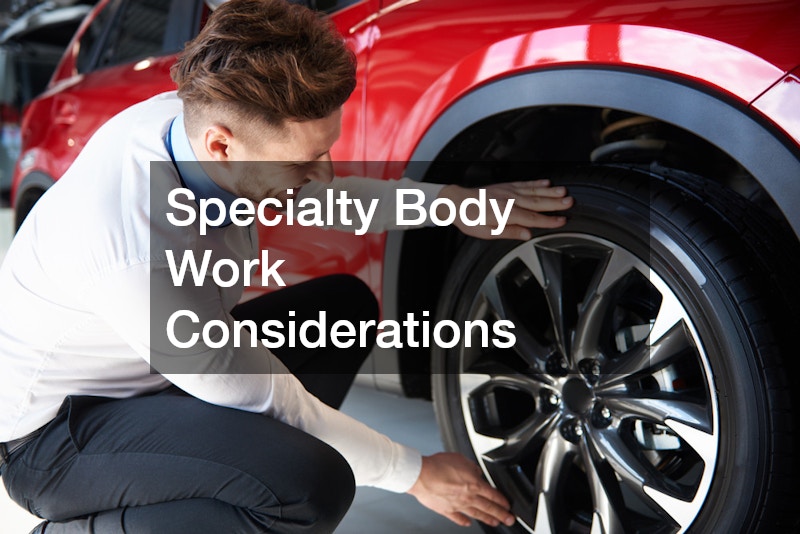
Certain vehicles, particularly some Subaru models, require specialized Subaru auto body repair to maintain structural integrity and resale value. Understanding which repairs necessitate manufacturer-specific expertise versus standard body work is crucial. A qualified provider should have access to authentic parts and adhere to manufacturer repair standards, ensuring the safety and functionality of your vehicle.
Timing is important. Address cosmetic and structural damage promptly to prevent further deterioration or safety risks. Coordinate repairs with insurance inspections to avoid claim delays, and consult your legal advisor if disputes arise regarding repair costs or liability. Choosing a provider experienced in collision repair and structural alignment ensures the work is done correctly and efficiently.
Proper body work has long-term benefits. It preserves resale value, ensures safety features remain effective, and prevents future mechanical or cosmetic problems. Document all repairs for insurance purposes and maintain detailed records for future reference. While specialized services may cost more upfront, they prevent long-term issues and protect your vehicle’s integrity and performance.
6. Enhancing Vehicle Comfort and Protection
Post-accident repairs can provide an opportunity to enhance comfort and protection in addition to restoring functionality. Auto tinting, for example, offers benefits such as reduced heat, minimized UV exposure, and increased privacy. These upgrades improve the driving experience while protecting interior surfaces from sun damage.
Cosmetic or comfort enhancements can be integrated during necessary repairs, saving time and reducing costs. Discuss optional upgrades with your repair provider prior to work, ensuring they are compatible with state laws and safety regulations. Completing enhancements concurrently with essential repairs minimizes downtime and ensures a more efficient restoration process. Document all modifications for insurance purposes or future resale value. Thoughtful integration of upgrades enhances both functionality and aesthetic appeal without delaying essential repairs.
7. Planning for Ongoing Vehicle Maintenance
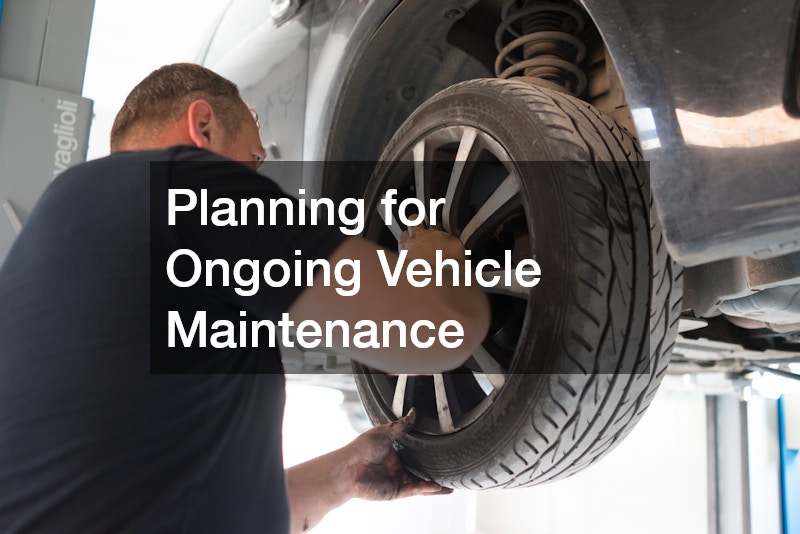
Ongoing maintenance is essential to prevent future accidents and minimize long-term repair costs. Establishing a preventive schedule ensures that critical systems like brakes, exhaust, suspension, and fluids are inspected regularly. Partnering with trusted local auto repair providers creates a consistent maintenance routine that preserves vehicle safety and reliability.
Maintaining a detailed service log is equally important. Recording dates, mileage, and service performed allows you to track your vehicle’s history for insurance or resale purposes. Minor repairs should be documented to identify patterns of wear and prevent larger issues.
Pay attention to early warning signs such as unusual noises, vibrations, or changes in handling. Addressing these promptly can prevent accidents and costly repairs. Routine preventive maintenance not only improves safety and performance but also reduces stress by ensuring your vehicle is always in optimal condition.
8. Managing Insurance Claims Effectively
Insurance claims are a crucial component of accident recovery. Working with a car accident lawyer or local injury lawyer ensures claims are filed accurately and that any disputes are addressed effectively. Submitting claims promptly, accompanied by comprehensive documentation such as photographs, police reports, and repair estimates, helps avoid delays and strengthens your case.
Legal support can assist in negotiating settlements or addressing denied claims, ensuring that compensation reflects actual damages. Attorneys coordinate between insurance adjusters and repair shops to streamline the process and advocate on your behalf.
Maintaining organized records of all communications and interactions throughout the claims process reduces confusion and minimizes stress. Clear documentation provides a reliable reference point and supports efficient resolution. Effective claims management allows repairs to proceed smoothly while protecting your legal and financial interests.
9. Preparing for Future Incidents
Accidents provide valuable lessons that can help prevent future incidents. Regular inspections, minor repairs, and maintenance of key systems like brakes and exhaust increase long-term safety. Understanding your vehicle’s limitations and adopting safer driving habits further reduces risk.
Maintaining a reliable network of legal and auto service professionals ensures you are prepared for unexpected situations. Evaluate your response to past accidents and identify areas for improvement. Keep emergency contacts and insurance information accessible, and periodically review lessons learned to maintain readiness.
Proactive preparation equips drivers to avoid accidents, respond efficiently, and manage the aftermath effectively, ensuring ongoing safety and confidence on the road.
Conclusion: Moving Forward Safely and Confidently
Vehicle accidents are inherently stressful, but careful planning transforms recovery from a chaotic process into a structured, manageable sequence of steps. Combining legal guidance with timely repairs ensures that personal safety and financial interests are fully protected. Staying organized, documenting incidents, and implementing ongoing maintenance routines reduces stress while improving vehicle performance.
Engaging qualified professionals, whether attorneys, repair shops, or specialists, mitigates uncertainty and strengthens outcomes. Scheduling preventive inspections, addressing repairs promptly, and learning from each incident fosters a proactive culture of safety. Thoughtful planning empowers drivers to respond efficiently, recover fully, and continue life with confidence.
By integrating organized strategies, professional support, and routine maintenance, individuals can navigate the aftermath of accidents with clarity, safeguard themselves and passengers, and prevent future complications. A structured approach to vehicle safety, repairs, and legal protection transforms unforeseen challenges into opportunities for long-term security and peace of mind.