Highlights
-
Core Function: A criminal lawyer acts as a crucial strategic advisor, analyzing evidence to determine whether negotiating a plea deal or going to trial yields the best legal outcome.
-
Prevalence of Pleas: Over 90 percent of criminal cases in the United States resolve through plea bargains rather than full courtroom jury trials.
-
Leverage in Negotiation: Successful plea negotiations rely heavily on a defense attorney uncovering police procedural errors, evidentiary gaps, and mitigating client factors.
-
Trial Risks: Taking a case to a jury trial carries unpredictable risks and potentially harsher sentencing, but it remains the only avenue for complete acquittal.
-
Constitutional Rights: The American Bar Association emphasizes that the decision to accept a plea or proceed to trial ultimately belongs entirely to the defendant, guided by legal counsel.
-
Systemic Impact: According to research published by the Bureau of Justice Statistics, early evaluation of charging documents dramatically influences case disposition paths.
How Does a Defense Attorney Evaluate a Case for Plea Bargaining versus Trial?
A defense attorney evaluates a case by scrutinizing the prosecution’s evidence, constitutional violations, and potential sentencing exposure. When a criminal lawyer takes on a new case, they examine police reports, witness statements, and forensic reports to identify structural weaknesses in the state’s position.
If the prosecution’s evidence is overwhelming and statutory minimum sentences carry severe prison time, negotiating a plea bargain often provides a controlled method to mitigate damages. Conversely, if police conducted an illegal search or key witness testimonies lack credibility, pressing forward toward a jury trial becomes a viable strategy to seek complete exoneration.
The attorney’s assessment also weighs non-legal variables, including the defendant’s criminal history, employment status, and personal risk tolerance. Trial outcomes are inherently unpredictable, and a jury verdict represents an all-or-nothing proposition. By presenting an objective analysis of conviction probabilities versus negotiated concessions, a defense attorney equips their client with the factual clarity required to make an informed, life-altering decision.
What Happens During the Plea Bargaining Negotiation Process?
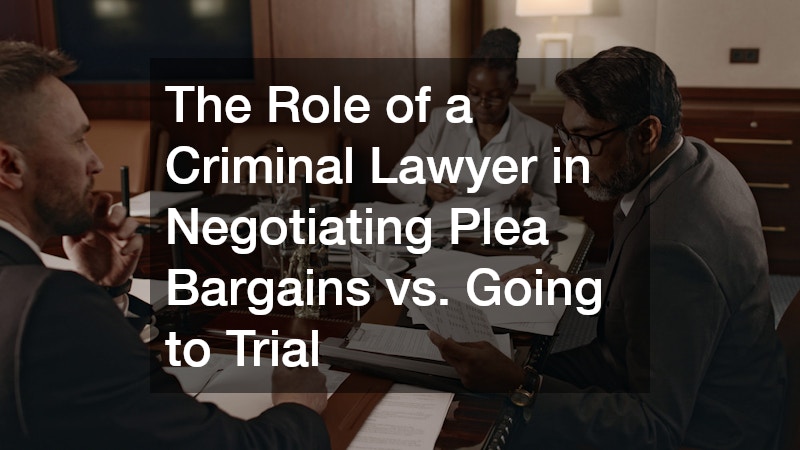
Plea bargaining involves structured, out-of-court negotiations between the defense counsel and the prosecuting attorney. During this process, the defense leverages evidentiary weaknesses, mitigating personal circumstances, and pre-trial motion threats to secure concessions. The prosecution may agree to drop primary counts, reduce felony charges to misdemeanors, or recommend a lighter sentence in exchange for the defendant waiving their constitutional right to a jury trial.
-
Charge Bargaining: The prosecutor agrees to reduce the severity of the charges, such as lowering a grand larceny charge to simple petit larceny.
-
Count Bargaining: The prosecution drops multiple secondary counts in exchange for a guilty plea on a single primary count.
-
Sentence Bargaining: Both parties agree to a specific, lighter sentence or a joint recommendation for probation rather than active incarceration.
-
Fact Bargaining: The defense and prosecution stipulate to specific facts that prevent mandatory minimum sentencing enhancements from triggering.
Throughout these negotiations, defense attorneys shield clients from coercive prosecutor tactics while preserving their constitutional rights. According to procedural guidelines outlined by the American Bar Association (ABA), defense counsel must communicate all formal plea offers to the defendant, ensuring complete transparency before any binding agreement is signed.
Why Do Most Criminal Cases End in Plea Bargains Rather Than Trials?
Plea bargains resolve the vast majority of criminal charges because the judicial system lacks the operational capacity to try every case. If every charged defendant demanded a full jury trial, court dockets would freeze under backlogs, imposing unsustainable costs on local governments. For defendants, accepting a plea deal provides certainty, eliminates prolonged pre-trial detention, and significantly reduces legal expenses compared to a multi-week trial.
For prosecutors, plea agreements guarantee convictions without spending limited trial resources or exposing weak witness testimony to cross-examination. However, legal scholars at institutions like Harvard Law School note that the immense pressure of potential “trial penalties”—where defendants face far harsher sentences if convicted at trial—can push risk-averse individuals to accept pleas even when liability is uncertain.
What Role Does a Defense Attorney Play During a Courtroom Trial?
When plea negotiations fail or an innocent client refuses to admit guilt, a defense attorney shifts from a negotiator to an aggressive courtroom advocate. During a trial, counsel handles jury selection, delivers opening statements, cross-examines state witnesses, and presents expert testimony. The primary legal objective is establishing reasonable doubt in the minds of jurors by dissecting the prosecution’s narrative and enforcing strict rules of evidence.
A seasoned criminal lawyer uses cross-examination to highlight contradictions, police misconduct, or faulty forensic methods. By challenging chain-of-custody protocols for physical evidence and filing timely objections, the defense prevents improper prejudicial material from reaching the jury. If the prosecution fails to meet its burden of proof beyond a reasonable doubt, the trial concludes with a complete judgment of acquittal.
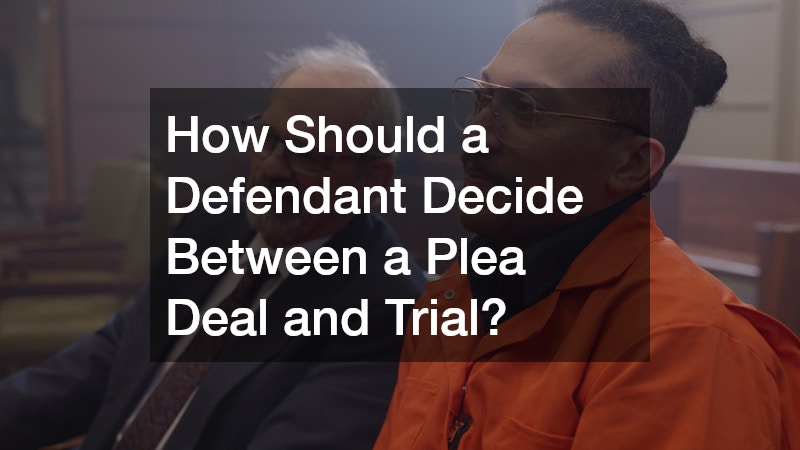
How Should a Defendant Decide Between a Plea Deal and Trial?
Choosing between accepting a negotiated plea deal and proceeding to trial is ultimately the sole constitutional choice of the defendant, guided by their attorney’s advice.
-
Review the prosecutor’s evidence critically alongside your attorney to understand the true strength of the state’s case.
-
Evaluate the exact difference between the offered plea sentence and the maximum statutory penalty if convicted at trial.
-
Consider the long-term collateral consequences of a guilty plea, including loss of professional licenses, immigration impacts, or criminal record exposure.
-
Assess your personal risk tolerance regarding the inherent unpredictability of a jury’s deliberation.
-
Ensure all constitutional suppression motions have been fully litigated before finalizing any plea agreement.
Methodically reviewing these factors prevents emotional decision-making, ensuring that whatever path you choose aligns with your long-term legal interests.
Whether negotiating behind closed doors or litigating in open court, the role of defense counsel is to protect a defendant’s rights, freedom, and future. A plea bargain offers a predictable, controlled resolution to minimize penalties, while a jury trial provides the essential constitutional platform to challenge government claims and pursue complete acquittal. By retaining experienced legal representation, individuals facing criminal charges gain the strategic clarity necessary to navigate complex court proceedings and achieve the best possible case disposition.