An accident can change a person’s daily life in a matter of seconds. Beyond the immediate shock and physical injuries, many individuals find themselves facing a complicated combination of medical treatments, legal questions, vehicle repairs, insurance claims, and financial stress. The decisions made in the hours, days, and weeks after an accident can significantly influence both recovery and long-term stability.
Whether the accident involves a motor vehicle collision, a workplace incident, or another unexpected event, knowing what steps to take can help reduce stress and improve outcomes. From preserving evidence and documenting injuries to managing repair costs and protecting legal rights, every action matters. A well-informed approach allows accident victims to make better decisions while avoiding common mistakes that could delay recovery or weaken potential claims.
This guide explores practical strategies for navigating the legal, medical, and financial challenges that often arise after an accident, helping readers build a stronger path toward recovery and peace of mind.
Protect Yourself at the Scene and Secure Immediate Assistance
The moments immediately following an accident are crucial. Personal safety should always be the first priority. If possible, move to a safe area away from traffic and assess injuries before taking any additional action.
Many accident victims underestimate the importance of obtaining proper assistance early. Reliable emergency road services can help prevent further vehicle damage and reduce safety risks while waiting for authorities or medical personnel to arrive.
Key steps include:
- Call emergency responders if anyone is injured.
- Turn on hazard lights when appropriate.
- Take photographs of the accident scene.
- Exchange contact and insurance information.
- Obtain a copy of the police report number.
- Record the time, weather conditions, and location.
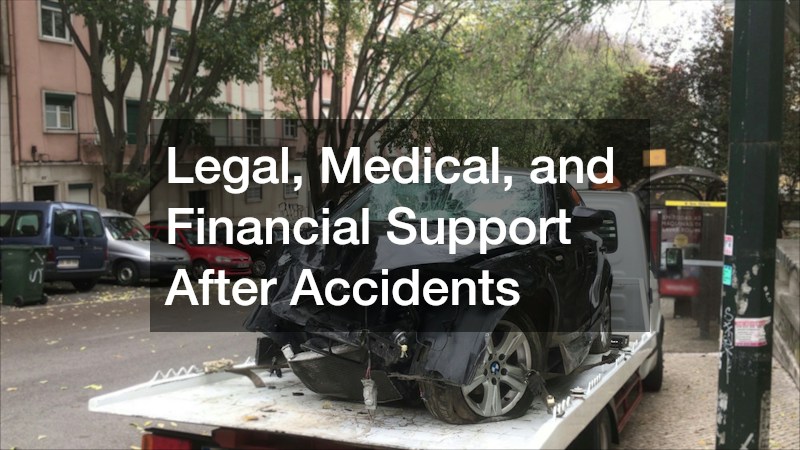
If a vehicle cannot be safely driven, arranging a trustworthy local towing service can prevent unnecessary complications. Keep receipts, towing records, and contact information since these documents may be useful during insurance claims and reimbursement requests.
Acting deliberately rather than emotionally can help preserve important evidence and protect your interests from the very beginning.
Document Evidence That Can Strengthen Future Claims

Strong documentation often becomes one of the most valuable assets after an accident. Evidence collected soon after the event can support medical treatment, insurance claims, and legal proceedings.
Even seemingly minor details may become important later. Injuries sometimes worsen over time, and memories can fade. Comprehensive records help establish a clear timeline of events.
Important evidence to collect includes:
- Photos of vehicle damage
- Images of injuries
- Witness contact information
- Police reports
- Medical evaluations
- Repair estimates
- Communication records
Many personal injury lawyers emphasize the value of maintaining a detailed accident journal. This journal should track daily pain levels, treatment appointments, missed workdays, and limitations on normal activities.
In addition, save emails, text messages, bills, and written communications related to the accident. Organized documentation can strengthen credibility and create a clearer picture of how the incident affected your health, finances, and quality of life.
The more complete your records are, the easier it becomes to support claims and demonstrate the full impact of the accident.
Respond Effectively When Injuries Appear Days Later
Not every injury becomes apparent immediately after an accident. Adrenaline and shock can temporarily mask pain, allowing injuries to go unnoticed for hours or even days.
Among the most common delayed symptoms are headaches, stiffness, reduced mobility, and muscle pain. Seeking medical attention promptly after symptoms develop is essential for protecting both your health and any potential claims.
Recommended actions include:
- Schedule a medical evaluation promptly.
- Follow all prescribed treatment plans.
- Attend follow-up appointments consistently.
- Keep copies of all medical records.
- Document new symptoms as they arise.
- Track daily changes in pain levels.
Patients experiencing persistent discomfort may be advised to pursue various neck pain treatments depending on the severity and nature of their injuries. Following professional recommendations consistently demonstrates a commitment to recovery and creates valuable documentation.
Skipping appointments or stopping treatment prematurely may not only delay healing but also raise questions during insurance or legal reviews. A thorough medical record often becomes one of the strongest pieces of evidence supporting the legitimacy and severity of accident-related injuries.
Communicate Strategically With Claims Representatives
Many people assume insurance claims are straightforward. In reality, communications after an accident require careful attention and documentation.
While cooperation is important, accident victims should take time to fully understand their situation before making detailed statements. Misunderstandings or inaccurate descriptions can sometimes create unnecessary complications.
Consider the following best practices:
- Report the incident promptly.
- Stick to factual information.
- Avoid speculation about fault.
- Keep copies of all correspondence.
- Log phone calls and discussions.
- Review settlement offers carefully.
Insurance companies often investigate claims thoroughly before making decisions regarding liability and compensation. Maintaining organized records can improve communication and reduce disputes.
When discussing injuries or property damage, accuracy is essential. Avoid exaggeration while also ensuring that all damages and medical concerns are properly documented.
Patience is equally important. Accepting a settlement too quickly may limit opportunities to recover compensation for future medical expenses or ongoing financial losses. Making informed decisions throughout the process can significantly influence the overall outcome of a claim.
Navigate Vehicle Recovery and Repair Decisions With Confidence

Vehicle repairs often become a major source of frustration after an accident. Understanding the process can help minimize delays and avoid unexpected expenses.
Once a damaged vehicle has been removed from the scene, obtaining multiple repair estimates may provide a clearer understanding of potential costs and timelines.
Helpful recommendations include:
- Request written repair estimates.
- Verify technician qualifications.
- Review warranty information.
- Take photographs before repairs begin.
- Keep copies of invoices.
- Ask questions about replacement parts.
A dependable tow truck service can help safely transport a damaged vehicle to a repair facility without causing additional damage. Choosing reputable providers can reduce disputes regarding vehicle condition and service quality.
Similarly, selecting trustworthy auto repair services is essential for restoring vehicle safety and performance. Quality repairs are particularly important when structural components or safety systems have been affected.
Documenting every stage of the repair process can help support reimbursement efforts and ensure transparency throughout the recovery period.
Avoid Costly Legal Errors During Investigations
Some accidents involve circumstances that extend beyond civil liability. Incidents involving impaired driving, reckless conduct, or serious injuries may trigger criminal investigations alongside other legal proceedings.
Understanding your rights during these situations is critical. Statements made during investigations can have long-term consequences, making it important to proceed carefully.
Practical steps include:
- Remain calm and respectful.
- Comply with lawful instructions.
- Avoid making assumptions or guesses.
- Keep copies of official documents.
- Record important dates and deadlines.
- Seek guidance when legal concerns arise.
In situations involving criminal allegations, consulting a felony attorney may provide valuable guidance regarding legal responsibilities and procedural requirements.
It is also beneficial to maintain separate files for criminal, insurance, and medical matters. Organized records can help reduce confusion and ensure important information remains accessible during potentially complex legal proceedings.
Being informed and proactive can prevent mistakes that may negatively affect future outcomes.
Manage Short-Term Financial Pressures After an Accident

Recovering from an accident often involves unexpected expenses. Medical bills, vehicle repairs, lost income, and daily living costs can create significant financial pressure.
Developing a realistic recovery budget is one of the most effective ways to regain a sense of control during a challenging period.
Helpful financial strategies include:
- Track all accident-related expenses.
- Prioritize essential household bills.
- Create a temporary spending plan.
- Explore payment arrangements when needed.
- Preserve emergency savings when possible.
- Maintain detailed financial records.
In severe situations where accident-related debt becomes overwhelming, bankruptcy attorneys may help individuals understand available legal options and financial protections.
Seeking assistance early can often prevent financial hardships from escalating. The goal is not merely to survive immediate expenses but to create a sustainable plan for long-term recovery.
Taking a proactive approach to budgeting and documentation can help reduce stress while supporting future reimbursement or compensation efforts.
Understand How Pretrial Issues Can Affect Accident Cases
Navigating the legal process can feel overwhelming, especially for individuals who have never been involved in a criminal or traffic-related case before. Understanding what is expected at each stage can help reduce uncertainty and prevent avoidable mistakes. Court notices, hearing schedules, and legal correspondence should be reviewed carefully and stored in a secure location for future reference. Missing important communications can result in delays, penalties, or additional legal challenges.
It is also important to maintain professional conduct throughout the process. Statements made on social media, in public forums, or to acquaintances may later be scrutinized if they relate to the incident. Keeping detailed notes regarding interactions with law enforcement, attorneys, and court personnel can help create an accurate record of events. Individuals should remain proactive about meeting deadlines, submitting required documentation, and responding promptly to legal requests. Consistency, preparation, and attention to detail can make a significant difference as legal matters progress.
Consider these key recommendations:
- Attend all required court appearances.
- Follow release conditions carefully.
- Maintain copies of legal paperwork.
- Keep communication records.
- Track court dates and deadlines.
- Consult qualified legal professionals when necessary.
In some circumstances, a bail bonds service may assist individuals in securing release while legal proceedings continue. Understanding associated responsibilities can help avoid future complications.
Remaining organized throughout the legal process is essential. Missing a deadline or failing to appear in court can create additional legal issues that complicate both criminal and civil matters.
Preparation and attention to detail often contribute significantly to achieving more favorable outcomes during legal proceedings.
Coordinate Medical, Legal, and Financial Records Efficiently
The volume of paperwork generated after an accident can become overwhelming. Effective organization helps ensure important information remains accessible when needed.
Many accident victims benefit from creating a centralized filing system that includes physical and digital copies of all records.
Documents worth organizing include:
- Medical bills
- Treatment records
- Prescription receipts
- Repair estimates
- Insurance correspondence
- Employment records showing lost wages
Maintaining complete files makes it easier to share information with personal injury lawyers and respond promptly to requests from insurance companies.
A comprehensive timeline can also be extremely helpful. Recording important dates related to the accident, treatments, repairs, and communications creates a clearer picture of events.
Consistent organization saves time, reduces stress, and improves accuracy. When documents are readily available, claims and legal proceedings often progress more smoothly and efficiently.
Develop a Comprehensive Recovery Plan for the Months Ahead
Recovery rarely ends after the initial claim is filed or the vehicle is repaired. Lasting success often depends on maintaining a long-term strategy that addresses both physical and financial well-being.
Creating measurable goals helps individuals track progress and identify areas requiring additional attention.
A recovery plan may include:
- Regular medical evaluations
- Financial reviews
- Physical rehabilitation goals
- Return-to-work planning
- Debt reduction strategies
- Ongoing recordkeeping
For some individuals, continuing neck pain treatments may remain an important part of long-term recovery. Consistent care can improve mobility, reduce discomfort, and support overall quality of life.
Likewise, those facing significant financial challenges may choose to consult bankruptcy attorneys to evaluate available solutions and create a manageable path forward.
By monitoring progress regularly and adjusting plans when necessary, accident victims can maintain momentum and continue moving toward recovery even when setbacks occur.
The aftermath of an accident can be physically painful, emotionally draining, and financially challenging. While every situation is unique, taking a methodical and informed approach can make the recovery process far more manageable. Careful documentation, prompt medical attention, organized recordkeeping, and thoughtful financial planning all contribute to stronger outcomes over time.
It is important to remember that recovery extends beyond repairing a vehicle or resolving a claim. True recovery involves restoring physical health, rebuilding financial stability, and regaining confidence in daily life. Staying proactive and informed can help accident victims overcome obstacles while reducing unnecessary stress along the way.
By focusing on long-term goals, maintaining accurate records, and seeking professional guidance when appropriate, individuals can better navigate the complex challenges that often follow an accident. With patience, preparation, and persistence, it is possible to move forward and create a more secure and stable future after an unexpected event.